Everything You Need to Know About Ceramic Coating: Protection, Maintenance & What to Expect
Key Takeaways
- •Ceramic coating is a durable, professionally applied protective layer that enhances gloss, repels water, and makes maintenance easier.
- •It does NOT make your vehicle scratch-proof, rock-chip-proof, or maintenance-free.
- •Paint preparation and correction happen BEFORE coating — the coating locks in the condition of the paint beneath it.
- •Proper washing technique still matters; automatic brush car washes can still inflict swirl marks on coated paint.
- •Coatings are low maintenance, not no maintenance — periodic washing and inspection keep them performing their best.
If you are considering a professional ceramic coating for your vehicle — or you already have one installed and want to protect that investment — this guide is for you. Our goal is to be completely transparent about what ceramic coating does, what it does not do, and how to care for it properly. We would rather earn your trust with honest information than sell you on exaggerated promises.
What Is a Ceramic Coating?
A ceramic coating is a liquid polymer professionally applied to a properly prepared vehicle surface. As it cures, it chemically bonds with the factory clear coat to form a durable, protective layer that is significantly harder and longer-lasting than traditional carnauba wax or most synthetic sealants.
Unlike wax, which simply sits on top of the paint and washes away after a few months, a true ceramic coating becomes a semi-permanent part of the finish. The result is a measurable improvement in how the vehicle looks and how it behaves when exposed to the elements.
The core benefits of a professional ceramic coating include:
- Increased gloss and depth: The coating adds a rich, liquid-looking depth to the paint that wax struggles to replicate.
- Hydrophobic (water-repelling) properties: Water beads and rolls off the surface, carrying loose dirt with it.
- Easier washing and maintenance: Contaminants bond less aggressively, so routine washes are faster and safer.
- Protection from environmental contamination: Bird droppings, bug splatter, and tree sap are less likely to etch into the clear coat.
- Chemical resistance: The coating resists degradation from many common chemicals that would otherwise dull or stain the paint.
- UV and environmental exposure protection: It helps slow oxidation and fading caused by sun exposure — a real concern during long Sandhills summers.
- Reduced adhesion of dirt and grime: The slick surface makes it harder for brake dust, road tar, and pollen to stick.
- Long-term paint protection: A professional coating outlasts wax and most sealants by years rather than months.
What Ceramic Coating Does NOT Do
This is the section most coating companies skip. We think it is the most important one to read.
A ceramic coating does not make your vehicle:
- Scratch-proof. Improper washing, brushing against the paint, or automatic car washes can still scratch a coated vehicle.
- Rock-chip-proof. Highway debris will still chip the paint. Ceramic coating is not a physical impact barrier.
- Dent-proof. Door dings and impacts are not prevented.
- Maintenance-free. A coated vehicle still needs to be washed and cared for.
- Immune to water spots. Mineral-rich water left to dry on the surface can still leave deposits.
- Immune to bird-dropping or bug damage. If aggressive contamination is left on the surface for extended periods, it can still stain or etch the coating.
- Protected from every type of environmental damage. A coating improves resistance — it does not create an impenetrable force field.
It is also important to understand the difference between ceramic coating and Paint Protection Film (PPF). PPF is a thick, transparent urethane film that provides a true physical barrier against rock chips, scratches, and impact damage. Ceramic coating, by contrast, primarily provides chemical and environmental protection, hydrophobic behavior, easier maintenance, and enhanced appearance. For maximum protection, many customers combine the two — PPF on high-impact areas and ceramic coating over the entire vehicle.
Ceramic Coating vs Wax, Sealant & PPF
Choosing the right protection comes down to your goals, your budget, and how you use your vehicle. Here is a simple, honest comparison.
| Protection Type | Durability | Best For |
|---|---|---|
| Carnauba Wax | 1–3 months | Show cars and short-term shine |
| Synthetic Sealant | 4–6 months | Seasonal protection on a budget |
| Ceramic Coating | 1–5+ years | Long-term gloss, easier maintenance, chemical resistance |
| Paint Protection Film | 5–10+ years | Physical protection against rock chips and impacts |
Wax and sealant are great for owners who enjoy reapplying protection regularly. Ceramic coating is the right choice when you want years of gloss and easier maintenance. PPF is the right choice when physical impact protection is the priority. There is no single "best" option for everyone — the right answer depends on how you drive and how long you plan to keep the vehicle.
Why Paint Preparation Matters
The final appearance of a ceramic coating depends almost entirely on the condition and preparation of the paint underneath it. A coating is transparent — it locks in whatever is beneath it. If the paint has swirl marks, scratches, or embedded contamination, the coating will seal those defects in place rather than hide them.
That is why proper preparation is non-negotiable. A professional installation includes:
- Thorough washing to remove loose dirt and road grime.
- Chemical decontamination to dissolve iron particles, tar, and other bonded contaminants.
- Mechanical decontamination (clay bar treatment) when necessary to lift embedded debris.
- Paint inspection under controlled lighting to identify swirl marks, scratches, and oxidation.
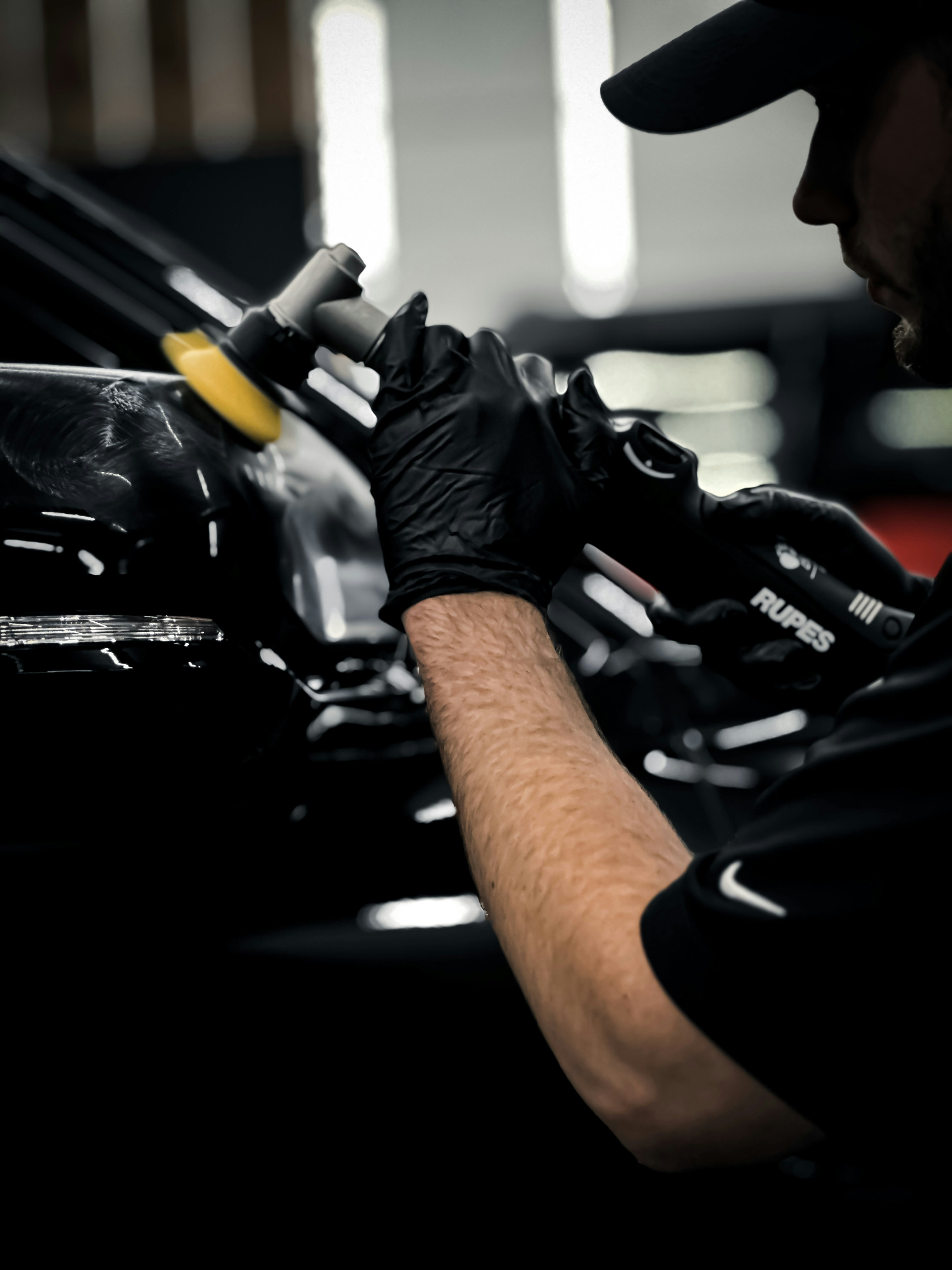
- Paint correction or polishing when defect removal is desired — performed before the coating is applied.
- Panel preparation to remove all oils, polish residue, and silicones so the coating bonds properly.
- Proper coating installation in a controlled environment.
- Controlled curing to allow the coating to fully bond with the clear coat.
If you want a flawless finish, paint correction is performed before coating. Skipping preparation to save time or money is the most common reason coatings fail to live up to expectations.
What to Expect After Installation
After a ceramic coating is applied, it goes through an initial curing period. During this time, the coating is still bonding to the clear coat and is more vulnerable to contamination.
During the initial cure period, customers should generally avoid:
- Washing the vehicle
- Allowing sprinklers to hit the vehicle
- Leaving water spots or contamination sitting on the surface
- Using harsh chemicals or aggressive cleaners
Important: Exact cure-time recommendations depend on the specific ceramic coating product installed on your vehicle. Rather than publish a generic timeframe that may not apply to your coating, we provide each customer with the specific aftercare instructions for their installed product. If you are unsure about the cure period for your coating, contact us and we will confirm exactly what applies to your vehicle.
How to Wash a Ceramic-Coated Vehicle
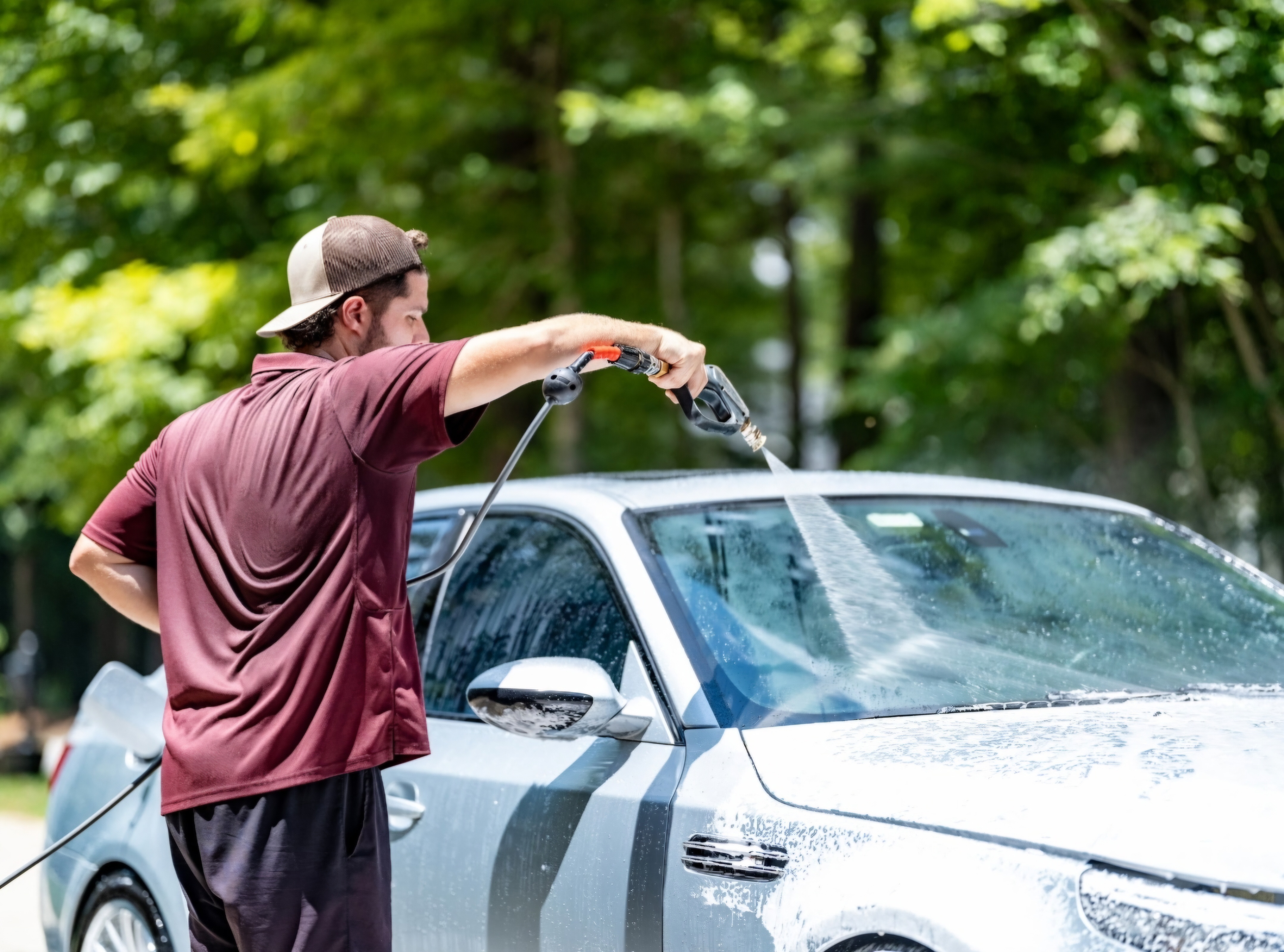
A coated vehicle still needs to be washed — and how you wash it matters just as much as whether it is coated. Here is a simple, safe maintenance approach:
- Wash regularly so contamination never has the chance to bond aggressively.
- Use proper automotive wash products designed for coated or waxed finishes.
- Use clean, quality wash media — a soft microfiber wash mitt, not a brush.
- Dry properly with a clean microfiber drying towel to prevent water spots.
- Wash out of direct sunlight whenever possible so the surface stays cool and wet.
- Remove bird droppings, bugs, and tree sap promptly before they have time to etch.
- Avoid unnecessarily aggressive chemicals that could degrade the coating over time.
It is critical to understand that automatic brush car washes can still create swirl marks on a ceramic-coated vehicle. The spinning brushes are abrasive and drag trapped dirt across the paint. Ceramic coating improves chemical resistance and makes washing easier, but it does not make the paint immune to improper washing techniques. Touchless washes are a safer alternative, but a proper hand wash is always best.
What Products Should Customers Use?
You do not need a cabinet full of specialty products, but using the right basics makes a real difference in coating longevity:
- A pH-appropriate automotive shampoo — gentle formulas that clean without stripping the coating.
- Quality microfiber towels — clean, soft, and free of debris that could scratch.
- A proper wash mitt — microfiber or plush media designed to lift dirt away from the paint.
- A dedicated drying towel — large, absorbent, and soft.
- Ceramic-safe maintenance products — used occasionally to boost hydrophobic performance.
We do not recommend specific brands in this article unless they are products Dynamic Details actually uses and trusts. If you are unsure whether a product is compatible with your coating, contact us — we are happy to confirm before you use it.
Water Spots
One of the most common misconceptions is that "hydrophobic" means "water-spot-proof." It does not.
When mineral-rich water — sprinkler water, hard tap water, or rain that dries on a hot surface — is allowed to evaporate on the vehicle, the minerals it leaves behind can etch into the coating and the clear coat beneath it. The more hydrophobic the surface, the faster water beads off — but any water left to sit and dry can still leave deposits.
To minimize water spots:
- Avoid parking near sprinklers.
- Dry the vehicle promptly after washing or rain.
- Do not wash in direct sunlight when the paint is hot.
If significant mineral deposits develop, do not attempt aggressive DIY chemical removal that could damage the coating or paint. Contact Dynamic Details so we can assess and safely address it.
Bird Droppings, Bugs, Tree Sap & Contamination
Ceramic coating provides an additional layer of resistance against aggressive contamination, but it is not a license to ignore it. Bird droppings, bug splatter, and tree sap can still stain, etch, or affect the coating if left on the surface for extended periods — especially under the intense North Carolina sun.
The coating buys you time, but prompt removal is still the best practice. Carry a small bottle of automotive quick detailer and a clean microfiber towel to safely remove contamination before it causes damage.
How Often Should a Coated Vehicle Be Washed?
There is no single correct answer — frequency depends on driving conditions, storage, mileage, weather, and contamination exposure. A garaged weekend car driven occasionally will need washing far less often than a daily commuter parked outside near construction.
As a general guideline, a coated vehicle should be washed regularly enough that contamination never has the chance to bond. For most daily drivers in the Sandhills, that means roughly every one to two weeks. A coated vehicle does not need to be washed less often than an uncoated one — it just becomes easier and safer to wash when you do.
Does Ceramic Coating Need Maintenance?
Yes. Ceramic coatings are low maintenance, not no maintenance.
Ongoing care includes:
- Routine proper washing
- Periodic inspection of water behavior and gloss
- Decontamination when necessary
- Professional maintenance services when appropriate
- Keeping the surface free from mineral buildup and bonded contamination
Treating a coating as truly maintenance-free is the fastest way to shorten its effective life and dull its appearance.
Professional Ceramic Coating Maintenance
Even with careful home washing, periodic professional maintenance is valuable. A professional maintenance visit allows us to inspect the coating's performance and address issues before they become problems.
During a professional maintenance service, we inspect:
- Hydrophobic performance — is water still beading and rolling off properly?
- Contamination — is there embedded debris that home washing cannot remove?
- Mineral deposits — are water spots beginning to form?
- Overall coating condition — are there areas of reduced performance?
Dynamic Details offers ceramic coating maintenance services for coated vehicles. If you would like to schedule a maintenance inspection, contact us and we will confirm the options available for your specific coating.
Ceramic Coating Warranty Information
Warranty length and requirements depend on the specific ceramic coating package and product installed on your vehicle. We do not publish generic warranty terms here because they vary by product.
What we can state clearly is what a warranty generally does not cover. Warranty coverage typically does not mean the vehicle is protected against:
- Scratches, swirl marks, or improper washing damage
- Rock chips or impact damage
- Collision damage
- Neglect or lack of maintenance
- Every type of environmental damage
Unless the specific manufacturer warranty for your product states otherwise, these exclusions apply. To keep your warranty valid:
- Retain your invoice and installation documentation.
- Follow the specific maintenance requirements associated with your coating.
- Contact us if you have questions about the warranty applicable to your installation.
How Long Does Ceramic Coating Last?
Advertised coating longevity should not be interpreted as a guarantee that every vehicle will perform identically for that exact duration. Real-world longevity is affected by several factors:
- Mileage and usage
- Garage vs outdoor storage
- Washing technique and frequency
- Climate and sun exposure
- Chemical exposure
- Mineral and water exposure
- Overall maintenance
Dynamic Details offers coating packages designed for different durability tiers. We do not exaggerate durability claims — the real-world lifespan of your coating depends heavily on how the vehicle is cared for after installation.
When to Contact Dynamic Details
Please reach out to us if:
- Water behavior changes significantly — the coating may need maintenance.
- You develop stubborn water spots that home washing cannot remove.
- The vehicle is exposed to overspray or unusual contamination.
- A body panel is repainted.
- The vehicle is involved in an accident.
- You are unsure which products to use on your coating.
- You need professional coating maintenance.
- You believe there may be an issue with your coating.
Important — Body Work and Collision Repairs: If a ceramic-coated vehicle is involved in an accident or has panels repainted, tell the body shop and your insurance company that the vehicle had a professional ceramic coating prior to the loss. Body-shop processes — sanding, repainting, compounding, and paint baking — can remove or affect the coating on the repaired panels. Professional coating restoration may be required afterward to bring the repaired area back in line with the rest of the vehicle. The sooner we know, the sooner we can help coordinate restoration.
About Dynamic Details
Dynamic Details provides professional ceramic coating, paint correction, Paint Protection Film, and vehicle protection services from our shop in Aberdeen, NC. We proudly serve Pinehurst, Southern Pines, Aberdeen, Whispering Pines, and the surrounding Sandhills area. Our approach is simple: do honest work, use premium products, prepare every vehicle properly, and stand behind the results.
Give us a call at 984-368-4679 or visit DynamicDetailsSandhills.com to learn more or request a quote.
Our Promise to You
We will never exaggerate what a ceramic coating can do just to make a sale. If your vehicle would benefit more from Paint Protection Film, a paint enhancement, or simply a proper detail, we will tell you. The right protection depends on your vehicle, your habits, and your goals — not a one-size-fits-all pitch.
Frequently Asked Questions
Written by Dynamic Details
Automotive appearance and protection specialists serving Pinehurst and Moore County since 2018.
Related Articles
How Much Does Ceramic Coating Cost in Pinehurst, NC?
Everything you need to know about professional ceramic coating costs, benefits, and maintenance for vehicles in Moore County.
Paint Correction vs. Paint Enhancement: What Is the Difference?
Learn the crucial differences between a light paint enhancement and a full multi-stage paint correction to restore your vehicle's gloss.
Should You Ceramic Coat a Brand-New Car?
Why your brand-new vehicle isn't as flawless as you think, and the best ways to protect its factory finish from day one.