Ceramic Coating vs Paint Protection Film: Which Protection Does Your Vehicle Need?
Key Takeaways
- •Ceramic coating provides chemical and environmental protection, gloss, and easier maintenance — but it does not stop rock chips.
- •Paint Protection Film (PPF) provides a true physical barrier against rock chips, scratches, and impact damage.
- •The two are not competitors — they complement each other and are often combined for maximum protection.
- •PPF on high-impact areas plus ceramic coating over the entire vehicle is the most popular strategy for new and high-value vehicles.
If you are researching ways to protect your vehicle in Pinehurst or the surrounding Sandhills, you have likely come across two dominant options: ceramic coating and Paint Protection Film (PPF). They are often discussed as if they are competing products, but the truth is they solve completely different problems. Choosing the right one — or the right combination — depends on what you are actually trying to protect against.
The Short Answer
Here is the honest, bottom-line distinction:
- Ceramic coating protects against chemical and environmental damage. It adds gloss, repels water, and makes your vehicle easier to wash. It does not stop rock chips.
- Paint Protection Film (PPF) protects against physical impact damage. It is a thick, transparent film that absorbs rock chips, scratches, and road debris. It does not add the same level of chemical resistance or extreme hydrophobic behavior as a coating.
Neither one is inherently "better" than the other — they are designed for different threats. Understanding that difference is the key to making the right decision for your vehicle.
What Ceramic Coating Does
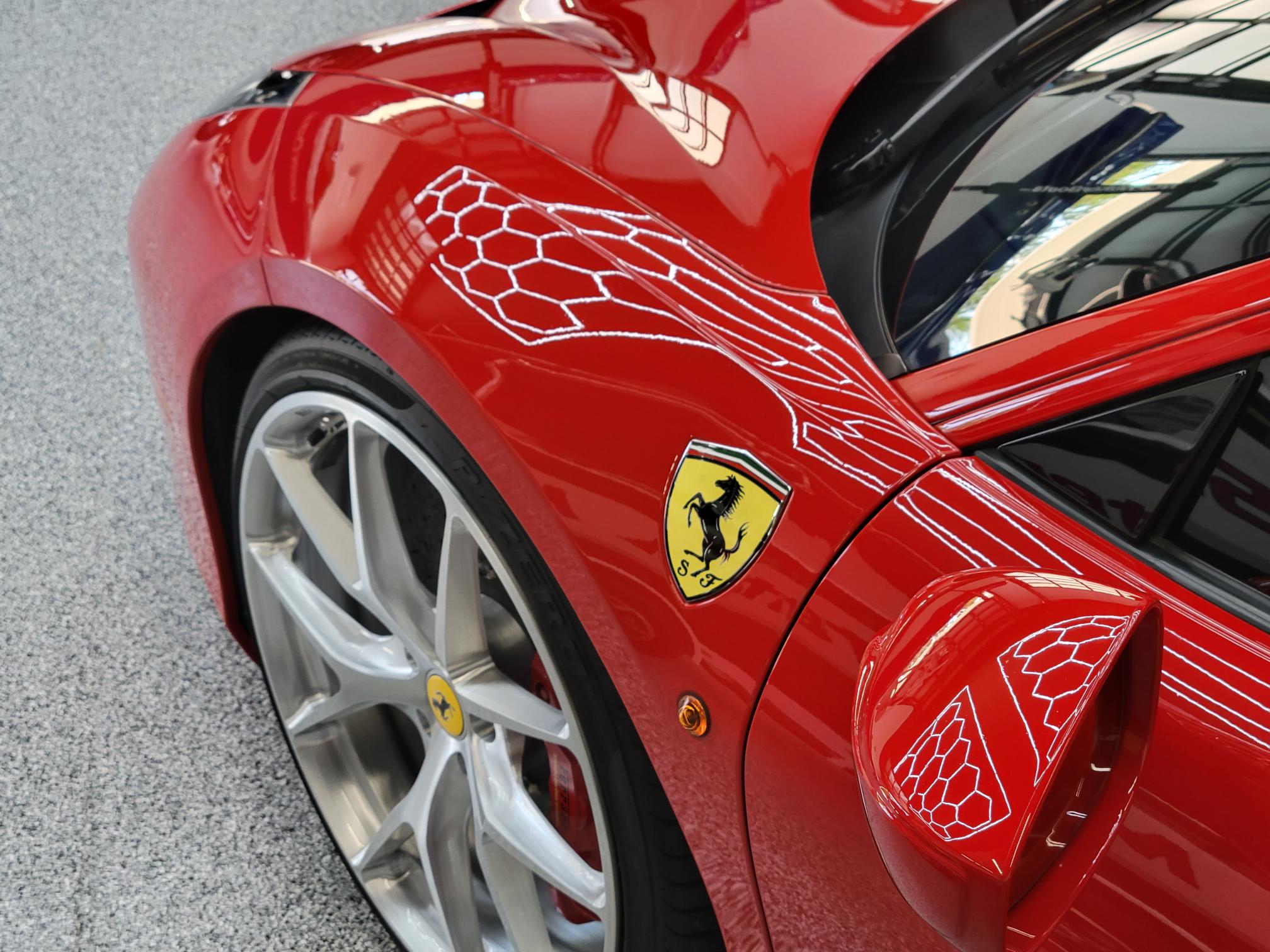
A ceramic coating is a liquid polymer that chemically bonds with your vehicle's clear coat. Once cured, it creates a durable, semi-permanent layer that provides:
- Enhanced gloss and depth — a rich, liquid-looking finish that wax cannot match.
- Hydrophobic behavior — water beads and rolls off, carrying loose dirt with it.
- Chemical resistance — protection against bird droppings, bug splatter, tree sap, and the heavy pine pollen common in Moore County.
- UV resistance — slows oxidation and fading from sun exposure.
- Easier maintenance — contaminants bond less aggressively, so washing is faster and safer.
What it does not do: stop rock chips, prevent scratches from improper washing, or act as a physical barrier against impacts. For a deeper dive on exactly what a coating does and does not do, read our complete ceramic coating guide.
What Paint Protection Film Does
Paint Protection Film is a transparent, self-healing urethane film applied to your vehicle's painted surfaces. It is the only true physical defense against impact damage. PPF provides:
- Rock chip protection — the film absorbs impacts from highway debris that would otherwise chip your paint.
- Scratch resistance — the self-healing top layer shrugs off light scratches and swirl marks from daily contact.
- Self-healing properties — minor scratches in the film disappear with heat from the sun or warm water.
- Preserved resale value — keeping the original factory paint pristine is one of the best ways to protect your investment.
What it does not do: provide the same extreme hydrophobic water beading or the candy-like gloss depth of a dedicated ceramic coating (though premium films do have a clear coat that performs well).
Head-to-Head Comparison
| Protection Goal | Ceramic Coating | Paint Protection Film |
|---|---|---|
| Stop rock chips | No | Yes — excellent |
| Chemical resistance | Yes — excellent | Moderate |
| Extreme gloss & depth | Yes | Good, but not the same |
| Hydrophobic water beading | Yes — extreme | Yes (on premium films) |
| Self-healing scratches | No | Yes |
| UV / oxidation resistance | Yes | Yes |
Which Should You Choose?
There is no universal right answer — it depends on your vehicle, your driving habits, and your goals.
Choose ceramic coating if: your primary concern is keeping the vehicle glossy and easy to clean, you want chemical resistance against pollen and bird droppings, and you are not as worried about rock chips. This is a great choice for garaged vehicles, weekend cars, and owners who want a low-maintenance, high-gloss finish.
Choose PPF if: you commute on highways, you drive a new or high-value vehicle, you want to prevent rock chips and preserve resale value, or you simply cannot stand the idea of chips appearing on your front end. This is the right choice when physical protection is the priority.
The Combination Strategy
The most popular protection package for new and high-value vehicles in Pinehurst is not one or the other — it is both. The combination strategy works like this:
- PPF on high-impact areas — the front bumper, full hood, front fenders, and mirrors receive Paint Protection Film to stop rock chips where they are most likely to occur.
- Ceramic coating over the entire vehicle — including over the PPF — to add maximum gloss, extreme hydrophobic behavior, and chemical resistance across every painted surface.
This hybrid approach gives you the physical impact protection of PPF where you need it most, plus the gloss, easy cleaning, and environmental protection of ceramic coating everywhere else. It is the closest thing to a complete protection package available.
Not sure which approach fits your vehicle and budget? We will give you an honest recommendation based on how you actually drive — not a one-size-fits-all pitch. Request a personalized recommendation and we will help you decide.
Our Honest Recommendation
If you can only choose one and you drive on highways regularly, PPF is the smarter investment — rock chips are permanent and expensive to fix, while gloss can be refreshed. If your vehicle is garaged and rarely sees highway debris, ceramic coating delivers more visible value for the money. When budget allows, combining both is always the strongest option.
Frequently Asked Questions
Written by Dynamic Details
Automotive appearance and protection specialists serving Pinehurst and Moore County since 2018.
Related Articles
How Much Does Ceramic Coating Cost in Pinehurst, NC?
Everything you need to know about professional ceramic coating costs, benefits, and maintenance for vehicles in Moore County.
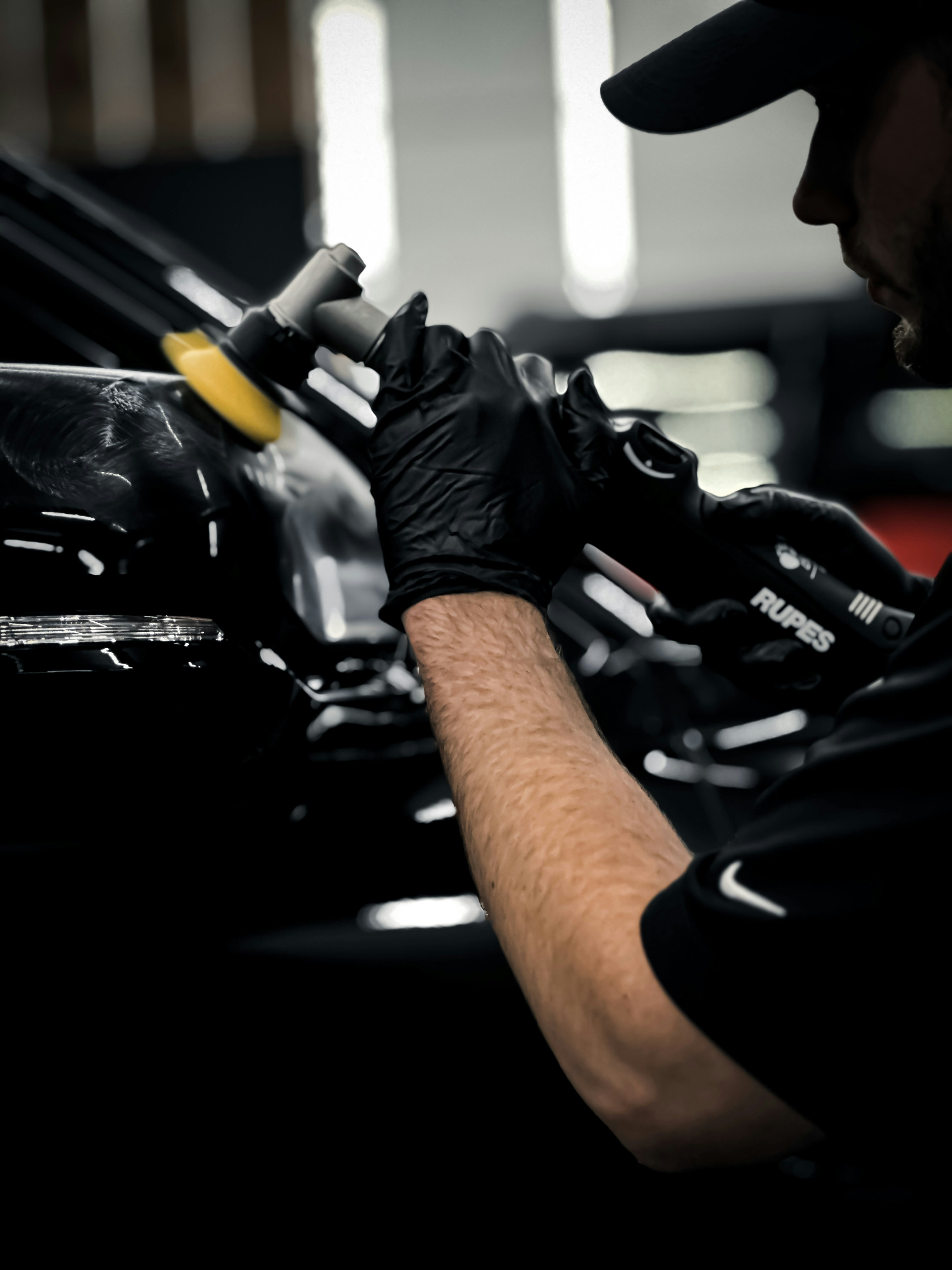
Paint Correction vs. Paint Enhancement: What Is the Difference?
Learn the crucial differences between a light paint enhancement and a full multi-stage paint correction to restore your vehicle's gloss.
Should You Ceramic Coat a Brand-New Car?
Why your brand-new vehicle isn't as flawless as you think, and the best ways to protect its factory finish from day one.